Guide
What is regenerative agriculture?
June 30, 2026 · 5 min read
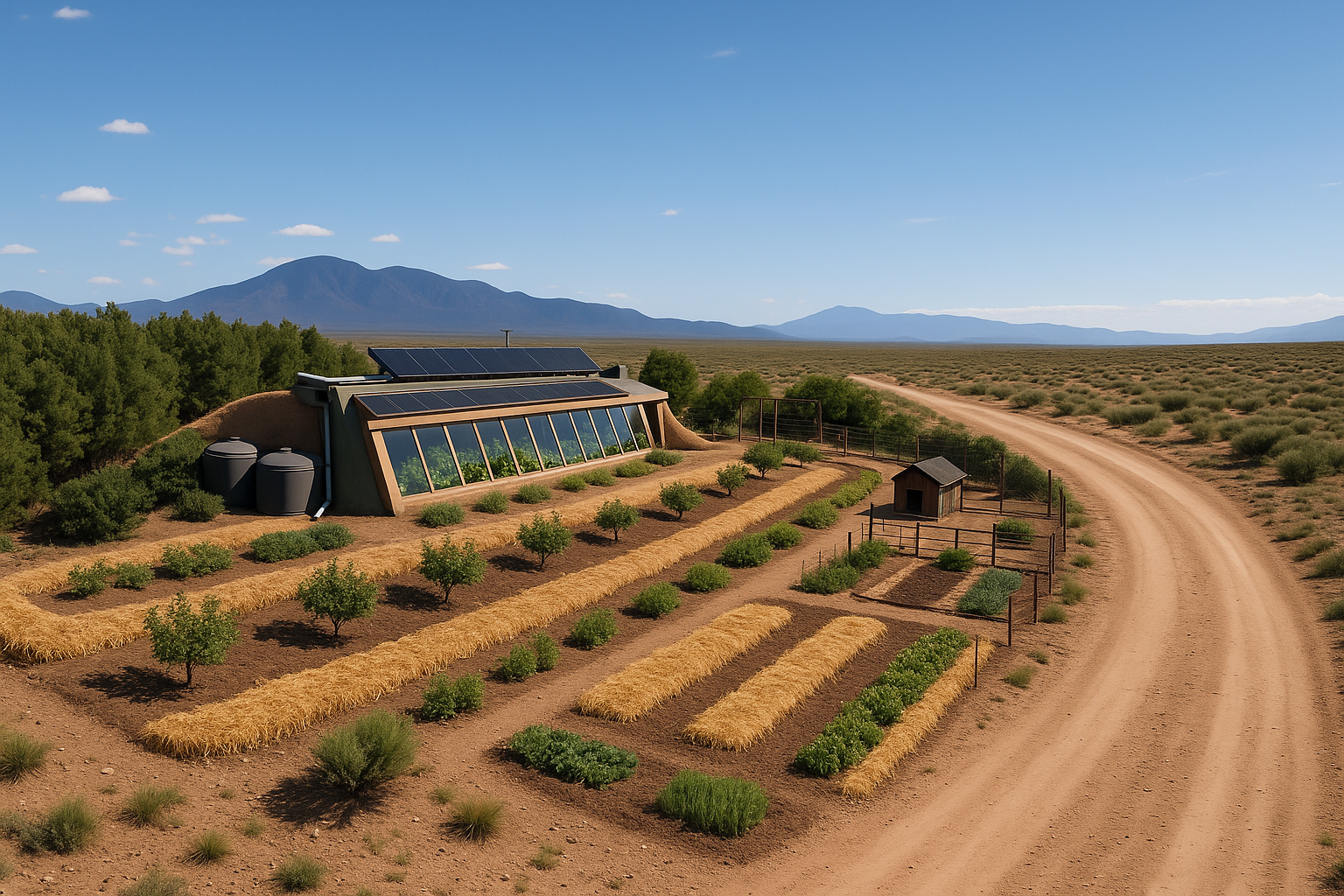
Regenerative agriculture is a farming and land-management approach that works to actively rebuild soil health, biodiversity, water cycles, and ecosystem function rather than simply extracting from the land. Instead of asking how much a field can produce this season, it asks whether the land is measurably healthier year after year. The result is soil that holds more water, hosts more life, and grows food with fewer purchased inputs over time. It shares much of its DNA with the permaculture design system, which applies the same regenerative goals at the scale of a whole property.
The word "regenerative" is the key. Conventional farming often depletes soil, treating fertility as something you buy in a bag and replace each season. Regenerative agriculture treats fertility as something you grow—by working with biology, plant roots, and living soil rather than against them.
The core principles of regenerative agriculture
Regenerative agriculture is less a fixed recipe than a set of principles applied to a specific place. Most practitioners return to the same handful of ideas.
- Minimize soil disturbance. Every time soil is tilled or plowed, it breaks apart the underground network of fungi, disrupts soil structure, and releases stored carbon. Reducing tillage—or eliminating it—lets that living structure stay intact. The same logic drives no-dig gardening at the backyard scale.
- Keep the soil covered. Bare soil bakes in the sun, erodes in the wind, and washes away in heavy rain. A protective layer of living plants, mulch, or crop residue shields the surface, moderates temperature, and feeds soil life.
- Maximize living roots year-round. Living roots feed the soil food web through sugars they release underground. Keeping something growing in every season—rather than leaving fields fallow—keeps that biological engine running and continues building healthy soil.
- Maximize diversity. Monocultures are fragile. A diverse mix of crops, cover crops, and species above ground supports a diverse community of microbes, insects, and fungi below ground, which improves resilience against pests and disease.
- Integrate livestock. Animals, when managed thoughtfully, cycle nutrients, stimulate plant growth through grazing, and add fertility through their manure—mimicking the way wild herds once moved across grasslands.
- Context and observation. No two pieces of land are the same. Regenerative agriculture depends on watching closely and adapting practices to local soil, climate, water, and history rather than applying one formula everywhere.
Regenerative vs. sustainable vs. organic
These three words get used interchangeably, but they describe different goals.
Sustainable means maintaining. A sustainable system aims to hold steady—to farm in a way that doesn't degrade the land or deplete resources further. That's a worthy baseline, but it accepts the current state of the soil as good enough.
Organic is a certification. It restricts synthetic pesticides, herbicides, and fertilizers, which is meaningful. But an organic farm can still till aggressively, leave soil bare between crops, and grow a single crop across large fields. Organic tells you what a farm avoids, not necessarily whether the soil is improving.
Regenerative aims higher: it seeks to improve the land, not just sustain it. The goal is measurable progress—more organic matter in the soil, more biodiversity, better water infiltration, and a stronger ecosystem than the year before. A regenerative farm may or may not be certified organic, but it's judged by outcomes rather than a list of prohibited inputs.
Put simply, sustainable holds the line, organic removes the harmful, and regenerative rebuilds.
The key practices
Principles become real through concrete practices. Regenerative farms and gardens mix and match these based on their context.
- Cover crops. Planting species like clover, rye, or vetch between cash crops keeps roots in the ground, adds organic matter, suppresses weeds, and can pull nitrogen from the air into the soil.
- No-till and reduced tillage. Seeding directly into undisturbed soil protects fungal networks and soil structure while cutting fuel and labor.
- Compost and organic amendments. Returning organic matter to the soil feeds the microbial life that makes nutrients available to plants. The same principle scales down to a backyard pile—here's a plain guide to making your own compost.
- Rotational and adaptive grazing. Instead of letting animals graze one area continuously, livestock are moved frequently, giving pastures time to recover. This mimics natural herd movement, deepens roots, and builds soil.
- Agroforestry. Integrating trees and shrubs with crops or pasture adds deep roots, shade, wildlife habitat, and long-term carbon storage. It overlaps closely with permaculture design; this comparison of agroforestry and permaculture explains how the approaches relate.
- Reduced chemical inputs. As soil biology recovers, farms can lean less on synthetic fertilizers and pesticides. Healthy soil and diverse plantings handle much of the fertility and pest control that chemicals once provided.
The benefits
The payoff from regenerative agriculture compounds over time, showing up both in the land and in the farm's bottom line.
- Soil carbon. Practices that keep soil covered and roots growing help move carbon from the atmosphere into stable soil organic matter, which also makes the soil more fertile.
- Water retention. Soil rich in organic matter acts like a sponge, absorbing rain and holding it for plants. This reduces both flooding in wet years and stress in dry ones.
- Biodiversity. From soil microbes to pollinators to birds, diverse regenerative systems support far more life than bare, chemically managed monocultures.
- Resilience. Farms with living, well-structured soil bounce back faster from droughts, floods, and pest pressure—an increasingly important advantage as weather grows less predictable.
- Farm profitability. Lower input costs and steadier yields often improve the economics. Spending less on fertilizer, fuel, and sprays while building a more reliable system tends to strengthen a farm's long-term finances.
Regenerative agriculture at any scale
You don't need a thousand acres to farm regeneratively—you don't need any acreage at all. The core ideas are about how soil, water, and plants work together, and those relationships are the same in a raised bed as they are on a ranch.
A backyard gardener who mulches heavily, avoids digging, composts kitchen scraps, and grows a diverse mix of plants is following the same principles a regenerative farmer does. A small homestead that rotates chickens across a garden, plants fruit trees among vegetables, and keeps the ground covered is running a miniature version of an integrated regenerative system. Designing a food forest in a suburban yard applies the same logic of stacked, diverse, self-supporting plantings.
Whether the goal is a productive garden, a resilient homestead, or a working farm, the through-line is the same: build the soil, and the soil grows everything else.
If you're ready to apply these ideas to your own land, thoughtful whole-property design turns regenerative principles into a concrete plan tailored to your soil, climate, and goals—so the land you steward becomes healthier and more productive year after year.
Frequently asked questions
Is regenerative agriculture the same as organic farming?
No. Organic certification restricts synthetic inputs but doesn't require practices that actively rebuild soil. A farm can be organic while still tilling heavily and leaving soil bare. Regenerative agriculture is defined by outcomes—improving soil, water, and biodiversity over time—so many regenerative farms go beyond organic standards.
Can regenerative agriculture actually be profitable for farmers?
Yes, and it often is over time. By reducing spending on synthetic fertilizers, pesticides, and fuel for tillage, many farms lower their input costs. Healthier soil also holds more water and produces more consistent yields during drought or heavy rain, which improves resilience and long-term profitability.
Does regenerative agriculture really help with climate change?
It can play a meaningful role. Practices that keep soil covered, maintain living roots, and add organic matter help move carbon from the atmosphere into the ground. While it isn't a single solution, healthier soils store more carbon and become more resilient to droughts and floods.
Do I need a farm to practice regenerative agriculture?
No. The same principles—minimal soil disturbance, keeping soil covered, growing diverse plants, and feeding the soil with compost—work in a backyard garden or a small homestead. Many people apply these ideas at a household scale before ever managing acreage.
Related guides
Permaculture for beginners
What permaculture actually is, its core ethics and principles, and a simple, beginner-friendly path to start designing a regenerative landscape.
Nutrient density: why soil makes food more nutritious
What nutrient density really means, and why soil and freshness matter as much as the organic label.
How to build healthy soil
Five regenerative practices that turn tired dirt into living soil — and the soil-food-web biology that most gardening guides leave out.
Want this designed into your land?
We design regenerative food forests — living soil, water, and plants working together — done-for-you in Colorado and guided nationwide.
Book your Eden Yard Audit™