Guide
No-dig gardening
June 29, 2026 · 4 min read
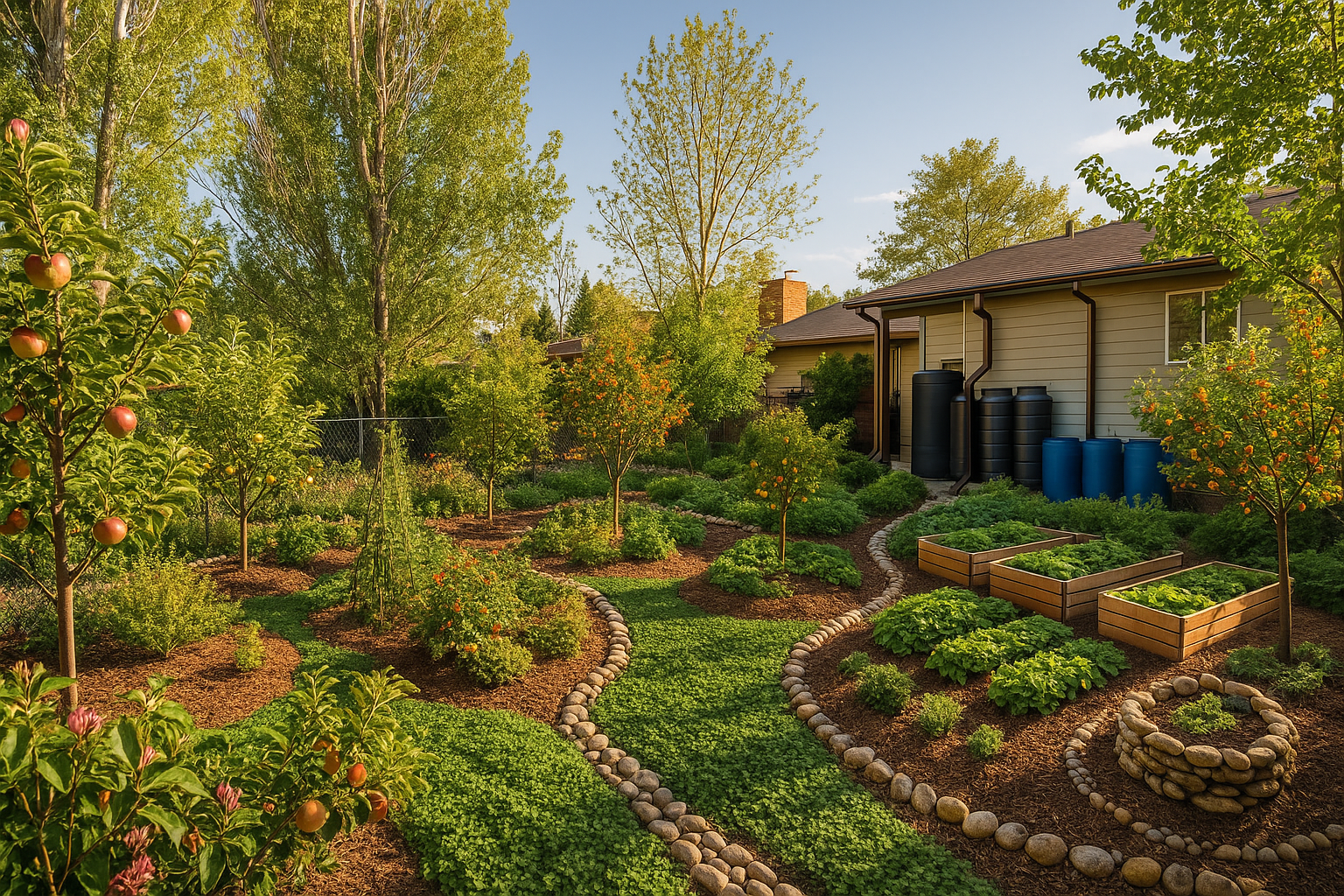
No-dig gardening grows healthier plants and builds better soil by feeding the soil from the top — with compost and mulch — instead of digging or tilling it. It's one of the simplest, most powerful shifts a gardener can make: less work, fewer weeds, better water retention, and soil that improves every season instead of degrading. The method has been popularized by growers like Charles Dowding, but the principle is as old as nature itself — soil builds from the surface down, undisturbed. Here's why no-dig works, how to start a bed step by step, and how it compares to the way most people garden.
What is no-dig gardening?
No-dig gardening — also called no-till — means you never turn over, dig, or rototill the soil. Instead of disturbing it, you build it up: you lay compost and organic mulch on the surface, and the soil's own workforce of worms, fungi, and microbes pulls that material down and incorporates it. You plant directly into the rich top layer. Over time the soil beneath becomes deep, dark, crumbly, and alive — without you ever putting a spade through it.
It's the exact opposite of the traditional advice to "dig over" a bed each spring. And once you understand what's happening underground, it becomes obvious why no-dig produces such good results.
Why no-dig works: the soil food web
The reason no-dig beats digging comes down to the soil food web — the living community of bacteria, fungi, and the creatures that graze on them that actually feeds your plants. (We go deep on this in how to build healthy soil.)
A healthy soil is full of structure: tiny aggregates and vast fungal networks that store water and air and hold nutrients in place. That structure takes time to build — and a single pass of a spade or tiller shatters it in seconds. Digging does three damaging things at once:
- It destroys soil structure and fungal networks, undoing months or years of underground building.
- It burns through organic matter, as the suddenly oxygen-flooded microbes binge and release stored carbon.
- It brings up weed seeds from below and exposes them to the light they need to germinate.
The result is the familiar cycle: a dug bed looks fluffy for a few weeks, then compacts harder than before and grows a fresh crop of weeds. No-dig breaks that cycle. By leaving the soil intact and feeding it from the top, you let the food web build structure and fertility continuously — and that living, undisturbed soil grows visibly healthier plants.
No-dig vs. traditional gardening
| Traditional (dig / till) | No-dig | |
|---|---|---|
| Soil structure | Broken each season | Built continuously |
| Weeds | More (seeds turned up) | Far fewer over time |
| Water | Dries & compacts faster | Holds moisture like a sponge |
| Organic matter | Burned off by tilling | Steadily increasing |
| Labor | High, every season | Low after setup |
| Soil over time | Degrades | Improves |
How to start a no-dig bed (step by step)
The beauty of no-dig is that you can start a new bed right on top of existing grass or weeds — no digging required:
- Mow or knock down the existing grass/weeds as low as you can. You don't need to remove them.
- Lay cardboard (plain brown, tape and labels removed) over the whole area, overlapping the edges so no light gets through. This smothers the grass and weeds beneath, and it will break down into the soil.
- Water the cardboard thoroughly so it stays in contact with the ground and starts to soften.
- Add 4–6 inches of compost on top of the cardboard. This is your planting medium and your soil food in one.
- Plant directly into the compost. Seeds and transplants go straight in — their roots will grow down through the softening cardboard into the soil below as the season goes on.
- Mulch any bare gaps with more compost, straw, or leaves to keep the surface covered.
That's it. No tilling, no double-digging, no removing turf. The cardboard and the soil life do the hard work for you.
Maintaining a no-dig garden
Upkeep is wonderfully simple. Once a year — usually in late autumn or early spring — spread a fresh inch or two of compost over the surface. That single annual top-up feeds the soil, tops up organic matter, and keeps weeds suppressed. Beyond that, you mulch bare soil as needed and pull the occasional weed (there will be few, and they lift out easily from the loose top layer). The soil gets better, and the work gets less, every year.
No-dig, permaculture, and food forests
No-dig isn't a standalone trick — it's a core principle of regenerative growing and a natural fit with permaculture. "Minimize disturbance" is one of permaculture's foundational ideas, and it's exactly how a food forest is built: you never till around established trees and perennials; you feed the system from the top with mulch and let the soil biology do the cultivating. Whether you're tending a single vegetable bed or designing a whole property, the same truth holds — the less you disturb living soil, the more it gives back.
When you're ready to design an entire regenerative landscape around healthy, undisturbed soil, that's what our food forest design service is built to do — done-for-you in Colorado, or guided anywhere in the country.
Frequently asked questions
What is no-dig gardening?
No-dig gardening (also called no-till) is a method of growing where you never turn over or dig the soil. Instead, you add layers of compost and organic mulch on top, and let the soil life — worms, fungi, and microbes — incorporate it from below. It mimics how soil builds in nature: from the surface down, undisturbed.
Why is no-dig better than digging?
Digging and tilling shatter soil structure and the fungal networks that store water and nutrients, burn through organic matter, and bring up a fresh flush of weed seeds. No-dig protects that living structure, so the soil holds more water, suppresses more weeds, and grows healthier plants with less work over time. Trials by no-dig growers consistently show equal or better yields with far less labor.
Do you ever need to dig in a no-dig garden?
Rarely. You'll still dig a hole to plant a tree or shrub, and you can loosen severely compacted ground once at the start. But the routine, season-after-season turning of the soil is exactly what no-dig eliminates — after the initial setup, you simply add compost to the surface each year and let the soil biology do the cultivating.
How thick should the compost be for a no-dig bed?
For a brand-new bed, a layer of compost about 4–6 inches (roughly 10–15 cm) deep over cardboard is typical to smother grass and weeds and give roots a rich medium to start in. After that, a thinner annual top-up of an inch or two each year is enough to keep feeding the soil and maintaining the bed.
Related guides
Drought-tolerant landscaping
How to build a lush, water-wise yard that thrives on a fraction of the water — the right plants, living soil, water-harvesting design, and mulch (no gravel desert required).
Companion planting
How companion planting really works, proven pairings to use, what to keep apart — and how perennial plant guilds take the idea further in a food forest.
How to build healthy soil
Five regenerative practices that turn tired dirt into living soil — and the soil-food-web biology that most gardening guides leave out.
Want this designed into your land?
We design regenerative food forests — living soil, water, and plants working together — done-for-you in Colorado and guided nationwide.
Book your Eden Yard Audit™