Guide
How to mulch a garden
June 29, 2026 · 4 min read
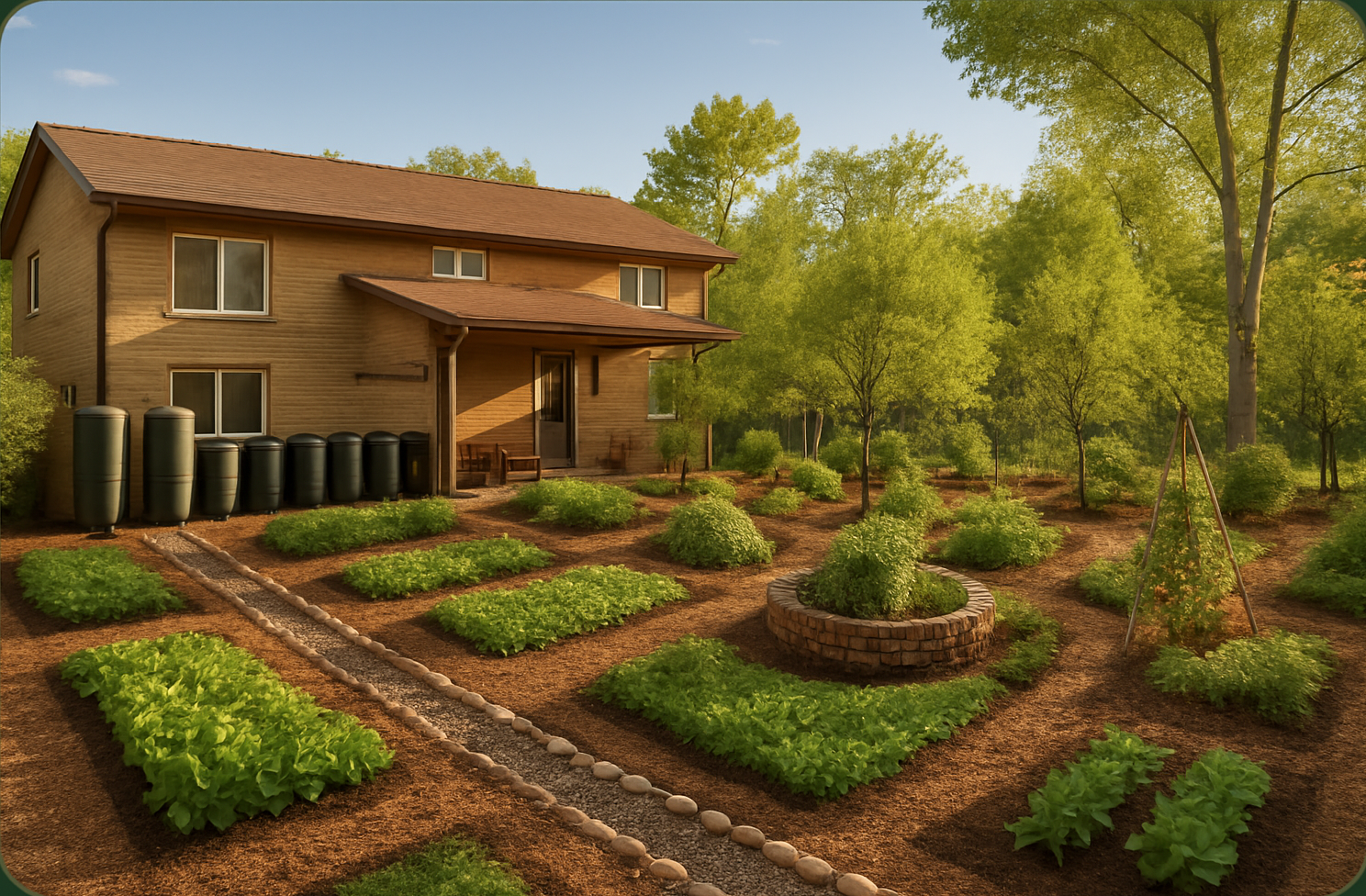
Mulch is the single easiest, highest-impact thing you can add to a garden — a simple blanket of organic material over the soil that saves water, smothers weeds, moderates temperature, and feeds the soil as it breaks down. Nature never leaves soil bare; it's always covered by fallen leaves and plant litter. Mulching copies that, and the payoff is enormous: less watering, far fewer weeds, healthier plants, and richer soil over time. Here's how to mulch a garden properly — the best types, how much to use, where to use each, and the mistakes to avoid.
What mulch actually does
A few inches of mulch quietly does several jobs at once:
- Holds moisture. Mulch dramatically slows evaporation from the soil surface, so you water far less and your plants ride out dry spells. In a drought-tolerant landscape, mulch is non-negotiable.
- Smothers weeds. A good mulch layer blocks the light weed seeds need to germinate, eliminating most weeding.
- Moderates temperature. It keeps roots cooler in summer heat and warmer in cold snaps.
- Feeds the soil. As organic mulch breaks down, it adds organic matter and feeds the soil food web — the biology that, in turn, feeds your plants.
- Prevents erosion and compaction. It cushions the soil from pounding rain and stops the surface from crusting over.
Bare soil, by contrast, bakes, erodes, compacts, and grows weeds. Covering it is one of the most regenerative things you can do.
Types of mulch (and where to use each)
Not all mulch is equal — different materials suit different jobs. Organic mulches (which break down and feed the soil) are almost always the better choice over inorganic ones like gravel or plastic.
| Mulch | Best for | Notes |
|---|---|---|
| Wood chips / bark | Trees, shrubs, perennials, paths | Long-lasting, fungal-friendly; great for food forests; too slow for veg beds |
| Straw | Vegetable beds | Breaks down in a season; light and easy; use straw, not seedy hay |
| Shredded leaves | Beds, around plants | Free in autumn; excellent soil food; shred so they don't mat |
| Compost | Vegetable beds, top-dressing | Feeds fast; doubles as fertility; thinner layer than other mulches |
| Grass clippings | Veg beds (thin layers) | High nitrogen; apply thinly and dry, or they mat and smell |
| Living mulch | Groundcover layer | Plants like clover or strawberries that cover and protect soil |
The general rule: fast-breaking-down mulches (straw, leaves, compost) for fast-growing annual beds; slower, woodier mulches (chips, bark) for trees, perennials, and pathways.
How much mulch to use, and when
Depth. For most garden beds, apply 2–3 inches of mulch. For pathways and around trees and shrubs, 3–4 inches works well. Less than that and weeds break through; much more than 4 inches around plants can suffocate roots or hold too much moisture.
When. Mulch in spring, after the soil has warmed and you've planted, to lock in moisture for the season; and again in autumn to protect soil and feed it over winter. Top up whenever the layer thins as it decomposes — that breakdown is a feature, not a problem; it means the mulch is feeding your soil.
Order. Feed first, then protect: lay a layer of compost on the soil, then mulch over it. The compost adds biology and nutrients; the mulch shields it.
How to apply mulch (step by step)
- Weed first. Clear existing weeds so you're not mulching over a problem.
- Water the soil if it's dry — mulch holds moisture in, so start with moist soil.
- Add compost (optional but ideal) as a thin feeding layer.
- Spread the mulch evenly to the right depth across all the bare soil.
- Pull it back from stems and trunks. Leave a few inches of clearance around the base of every plant and tree.
- Top up through the season as it breaks down.
Common mulching mistakes to avoid
- Mulch volcanoes. Piling mulch up against a tree trunk traps moisture and rots the bark — one of the most common and damaging mistakes. Keep a clear ring around the trunk.
- Too thin. A skimpy layer won't stop weeds. Commit to the full 2–4 inches.
- Seedy hay instead of straw. Hay carries weed and grass seed; use clean straw.
- Thick grass-clipping mats. Pile clippings on thick and wet and they turn into a slimy, smelly mat. Apply thin and let them dry.
- Inorganic mulch on planting beds. Gravel and plastic don't feed the soil and can bake roots. Save them for specific hardscape uses, not living beds.
Mulch and regenerative gardening
Mulching isn't just a chore — it's a core regenerative practice. It's how a no-dig garden keeps its soil covered and fed, how a food forest mimics the forest floor, and how a water-wise landscape holds onto every drop. Keep your soil covered, feed it from the top, and let the biology do the work — that single habit, repeated, builds some of the healthiest soil and most resilient gardens there are. It's the same principle at the heart of every regenerative design we create.
Frequently asked questions
How thick should mulch be?
For most garden beds, 2–3 inches of mulch is ideal; for pathways and around trees and shrubs, 3–4 inches works well. Too thin and weeds push through; too thick (over about 4 inches around plants) can block air and water or hold too much moisture against stems. Top it up as it breaks down to keep that depth.
What is the best mulch for a vegetable garden?
Straw, shredded leaves, and compost are excellent for vegetable beds — they break down quickly and feed the soil within a season, which is what fast-growing annuals want. Wood chips are better suited to pathways, perennials, and around trees, where slower breakdown is an advantage.
Should mulch touch plant stems or tree trunks?
No. Always keep mulch a few inches away from plant stems and tree trunks. Mulch piled against a trunk (a 'mulch volcano') traps moisture, invites rot and pests, and can kill the plant. Leave a small clear ring around the base so the trunk stays dry.
Do you put mulch over soil or compost?
Both — in order. Feed the soil first with a layer of compost, then top it with mulch. The compost adds nutrients and biology; the mulch protects that compost and the soil beneath it from drying out and from weeds. In a no-dig garden, compost is the planting layer and mulch is the protective blanket over any bare spots.
Does mulch attract bugs or termites?
Healthy mulch supports beneficial soil life — worms, fungi, and the microbes that break it down — which is exactly what you want. It can shelter some insects, but it doesn't 'cause' pest problems, and organic mulch kept a few inches from your home's foundation poses no real termite risk. The water, weed, and soil benefits far outweigh the concern.
Related guides
Drought-tolerant landscaping
How to build a lush, water-wise yard that thrives on a fraction of the water — the right plants, living soil, water-harvesting design, and mulch (no gravel desert required).
Nutrient density: why soil makes food more nutritious
What nutrient density really means, and why soil and freshness matter as much as the organic label.
What is permaculture?
The complete plain-English guide to permaculture — what it is, where it came from, its ethics and principles, its core techniques, and how to use it on your own land.
Want this designed into your land?
We design regenerative food forests — living soil, water, and plants working together — done-for-you in Colorado and guided nationwide.
Book your Eden Yard Audit™