Guide
Drought-tolerant landscaping
June 29, 2026 · 4 min read
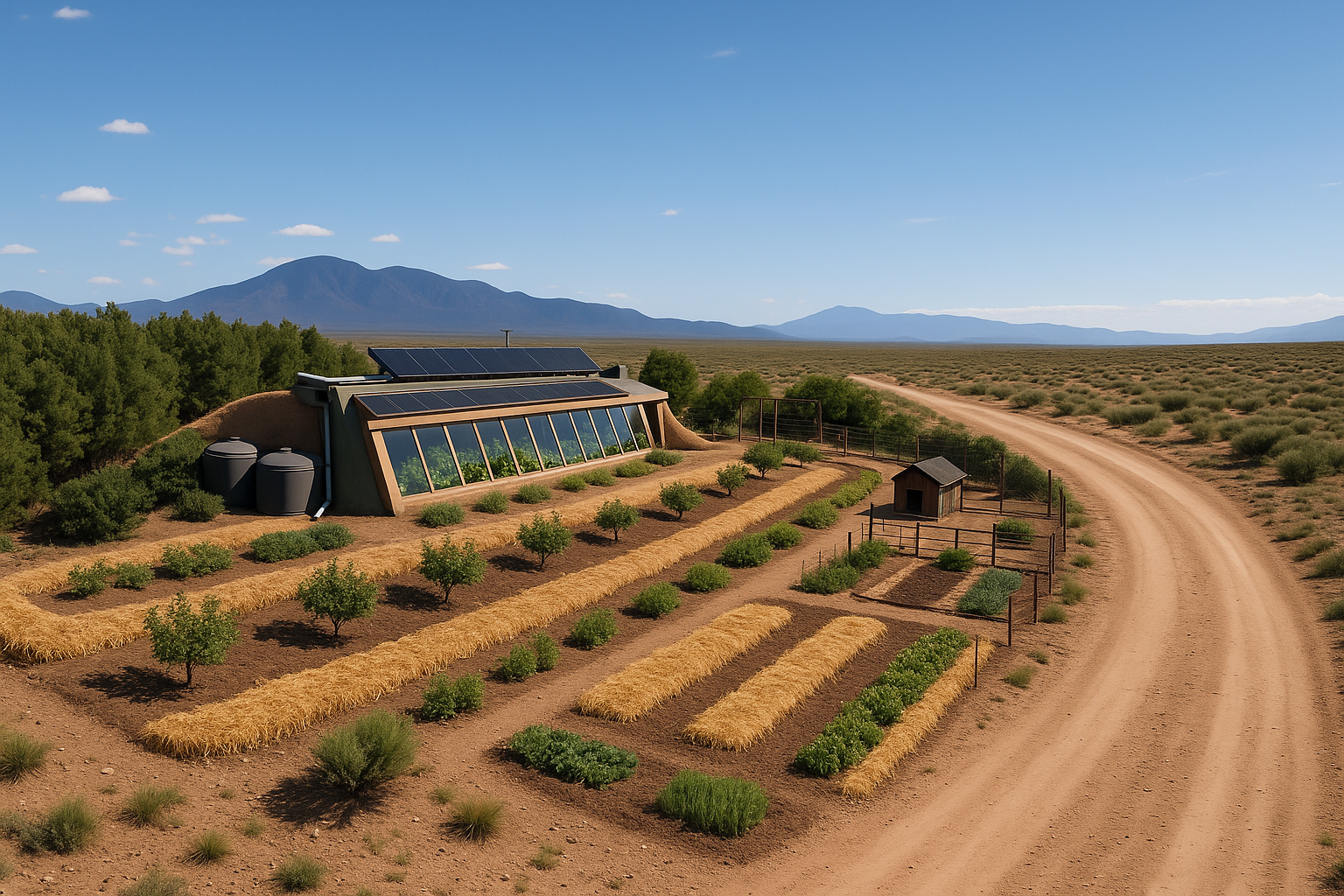
Drought-tolerant landscaping is the art of designing a yard that stays lush and beautiful on a fraction of the water — not by stripping it down to gravel and cactus, but by working with nature. The right plants, a living soil that holds moisture, water-harvesting design that captures every storm, and a deep blanket of mulch together create a landscape that thrives through dry summers and water restrictions while your neighbors' lawns turn brown. In the arid West especially, it's the smartest way to have a green, productive yard. Here's how it actually works.
Drought-tolerant doesn't mean rocks and cactus
Let's clear up the biggest myth first. Many people picture "drought-tolerant" as a barren expanse of gravel with a few spiky plants — what's sometimes called "zeroscaping." That's one harsh interpretation, and it's not what good water-wise design looks like. A thoughtfully designed drought-tolerant landscape can be green, layered, flowering, and full of life — fruit trees, berry shrubs, fragrant herbs, ornamental grasses, and pollinator flowers. The water savings come from how the landscape is designed, not from removing everything beautiful about it. You can have lush and water-wise at the same time.
The four pillars of a water-wise landscape
Every drought-tolerant landscape that actually thrives rests on the same four foundations working together:
1. The right plants. Choose species adapted to dry conditions — many natives, Mediterranean herbs, and deep-rooted perennials need little water once established. Group plants by their water needs (a practice called hydrozoning) so you never overwater the tough ones to keep the thirsty ones alive.
2. Living soil. This is the secret most "drought" guides miss. Healthy soil rich in organic matter acts like a sponge, holding far more water for far longer than depleted, compacted dirt. Building healthy, living soil may be the single biggest thing you can do to make any landscape drought-resilient — it stores the water for the plants between rains.
3. Water-harvesting design. Rather than let rain run off, shape the land to keep it. Swales and basins slow and sink rainfall into the soil where roots can reach it, and rainwater harvesting stores some for the dry stretches. A drought-tolerant landscape doesn't just use less water — it captures the water that already falls on your property.
4. Mulch, everywhere. A few inches of wood-chip or straw mulch over every bit of soil dramatically slows evaporation, moderates soil temperature, suppresses weeds, and feeds the soil life as it breaks down. Bare soil is the enemy of a water-wise yard.
The best drought-tolerant plants
A water-wise palette has options for every layer of the landscape. A few reliable categories:
- Trees: many fruit trees (apple, plum, cherry, mulberry) and natives become quite drought-tolerant once established, plus deep-rooted shade trees.
- Shrubs: seaberry, currants, serviceberry, and native flowering shrubs.
- Herbs: rosemary, lavender, thyme, sage, and oregano — Mediterranean herbs practically prefer dry, lean conditions.
- Perennials: yarrow, echinacea, agastache, salvia, and many native wildflowers for color and pollinators.
- Groundcovers: creeping thyme, sedum, and low-water natives in place of thirsty lawn.
The exact best plants depend entirely on your climate and soil — which is why matching the palette to your specific site is the heart of good design.
Drought-tolerant edible landscaping
Here's the part people rarely realize: drought-tolerant and edible are not at odds. Many of the most water-wise plants are also productive — fruit trees, berries, and Mediterranean herbs are both tough and delicious. By pairing drought-tolerant edibles with water-harvesting earthworks and deep mulch, you can grow a real harvest on far less water than a plain lawn consumes. This is exactly the approach behind our edible landscaping and food forest design: a yard that is beautiful, water-wise, and feeds your family.
Drought-tolerant landscaping for the arid West
Across Colorado's Front Range and the wider arid West, water-wise design isn't a nice-to-have — it's essential. Hot, dry summers, alkaline clay soils, and growing water restrictions all push in the same direction: build soil that holds moisture, capture every drop of rain and snowmelt, mulch heavily, and choose plants that can take the heat. Done well, the result is a green, living, productive yard that sails through the dry months while using a fraction of the water a conventional lawn demands. (See where we work across the Front Range.)
Getting started
You don't have to convert everything at once. Start by mulching your beds, building your soil, and replacing the thirstiest, least-used patch of lawn with a water-wise planting. Add a rain barrel or shape a simple swale to direct runoff into your plants. Expand from there. And when you're ready to design the whole yard as a water-wise, productive system, that's what we do — a custom plan matched to your climate and soil, done-for-you in Colorado or guided anywhere in the country.
Frequently asked questions
What is drought-tolerant landscaping?
Drought-tolerant landscaping is designing a yard to stay healthy and beautiful with minimal supplemental water. It combines water-wise plants (often natives and Mediterranean species), living soil that holds moisture, water-harvesting features like swales and rain capture, and heavy mulch. The goal isn't a barren gravel yard — it's a lush landscape that simply doesn't depend on constant irrigation.
Does drought-tolerant landscaping mean rocks and cactus?
No. That's the most common myth. Gravel-and-cactus 'zeroscaping' is one harsh version, but a well-designed drought-tolerant landscape can be green, layered, and full of flowers, fruit, and habitat. The water savings come from smart plant choice, healthy soil, and capturing rainfall — not from removing all the life from your yard.
Can a drought-tolerant yard still grow food?
Absolutely. Many fruit trees, berries, herbs, and perennial vegetables are remarkably drought-tolerant once established — and pairing them with water-harvesting earthworks and deep mulch lets them thrive on far less water than a lawn. Drought-tolerant and edible landscaping go hand in hand.
How much water can drought-tolerant landscaping save?
Outdoor watering is often the single largest part of a household's summer water use, much of it on lawn. Replacing thirsty turf with water-wise plantings, healthy soil, and rain capture can dramatically cut that — the exact savings depend on your climate, how much lawn you convert, and how well the system is designed, but the landscape is usually where water savings are largest and easiest.
Related guides
Landscaping with native plants
Why native plants make the most resilient, low-water, wildlife-friendly landscapes — and how to design with them (and pair them with edibles).
What is xeriscaping?
The real xeriscaping definition, the 7 principles, and how to make a low-water yard beautiful.
Sustainable landscaping
Practical sustainable landscaping ideas and examples for a yard that gives back.
Want this designed into your land?
We design regenerative food forests — living soil, water, and plants working together — done-for-you in Colorado and guided nationwide.
Book your Eden Yard Audit™