Guide
Landscaping with native plants
June 29, 2026 · 3 min read
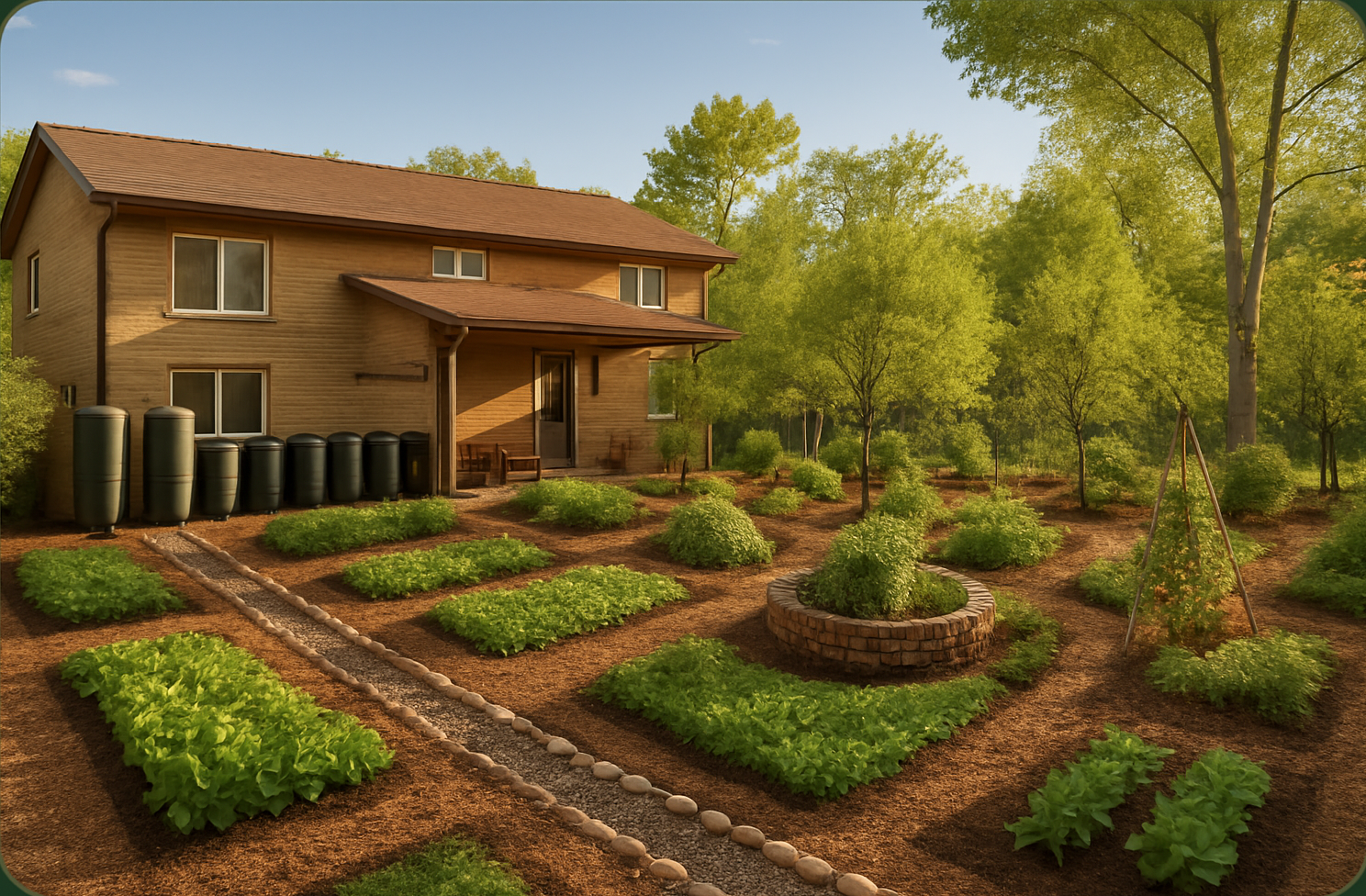
Landscaping with native plants means building your yard from species that naturally grow in your region — and it produces some of the most beautiful, lowest-maintenance, and most ecologically valuable landscapes possible. Because natives evolved in your local climate and soil, they thrive with little water, no fertilizer, and minimal fuss, while supporting the pollinators, birds, and beneficial insects that make a yard come alive. Here's why native landscaping works so well, how to design with it, and how it pairs naturally with growing food.
Why landscape with native plants
The case for natives comes down to a simple idea: plants adapted to your conditions don't fight them. That delivers several benefits at once:
- Far less water. Native plants are tuned to your region's rainfall. Once established, most need little or no supplemental irrigation — a huge advantage in dry climates.
- Low maintenance. No constant feeding, spraying, or coddling. Natives are built for your soil and weather, so they largely take care of themselves.
- Wildlife and pollinators. Local bees, butterflies, and birds depend on native plants in ways non-natives often can't provide. A native landscape becomes habitat, not just decoration.
- Resilience. Adapted plants shrug off the local pests, droughts, and temperature swings that stress exotic ornamentals.
- A sense of place. Native landscapes reflect the real character of where you live, rather than a generic palette shipped in from somewhere else.
How to design a native plant landscape
Native landscaping is still design — the difference between a beautiful native garden and a weedy one is entirely in the planning. A few principles carry most of the value:
Group by conditions. Match plants to the right spots — sun-lovers in the sun, moisture-lovers in low areas — and group them so their needs align. This is how a native landscape stays healthy with so little input.
Layer it. Just like a natural plant community, stack trees, shrubs, perennials, and groundcovers so the landscape is full and productive at every level and leaves no bare soil for weeds.
Build the soil. Even tough natives establish faster and look better in living, healthy soil topped with mulch. Healthy soil holds the moisture that gets new plants through their first dry season.
Design for structure. Defined bed edges, intentional groupings, focal points, and a palette that carries color through the seasons keep a native landscape reading as deliberate and well-kept.
Native and edible: the best overlap
One of the most rewarding moves in native landscaping is choosing natives that also feed you. Many regions offer native serviceberry, chokecherry, wild currants, elderberry, wild plum, and a range of edible native herbs and greens. Designing with native edibles gives you everything natives offer — low water, habitat, resilience — plus a harvest. It's a natural bridge between native landscaping and edible landscaping, and a cornerstone of how we approach food forest design: regionally adapted plants, arranged into a productive, living system.
Native plants for the arid West
In dry regions like Colorado's Front Range, natives are especially powerful because they're already built for the heat, the alkaline soils, and the limited rainfall. Pairing native plantings with water-harvesting earthworks and deep mulch creates a landscape that thrives on almost no supplemental water while supporting local wildlife — a genuinely regenerative yard that belongs to its place.
Getting started
Begin by replacing one ornamental bed or a patch of thirsty lawn with a grouping of regionally appropriate natives, mulched well and matched to the light. Add a native flowering border to draw in pollinators. Expand from there as you see how little the plantings ask of you. And when you're ready to design an entire native, water-wise, and productive landscape, that's exactly what we do — a custom plan rooted in your specific region, done-for-you in Colorado or guided nationwide.
Frequently asked questions
Why is landscaping with native plants better?
Native plants evolved in your local climate and soil, so once established they need far less water, fertilizer, and care than exotic ornamentals. They also support local pollinators, birds, and beneficial insects that non-natives often can't, making your yard a living part of the regional ecosystem rather than a high-maintenance imitation of someone else's.
Are native plant landscapes low maintenance?
Generally yes, once established. Because natives are adapted to local conditions, they don't need the constant watering, feeding, and pest control that many ornamentals demand. The first season or two of establishment takes attention, but a well-designed native landscape settles into a largely self-sustaining, low-input system.
Can native plants be edible?
Many are. Native serviceberry, chokecherry, currants, elderberry, wild plum, and a range of native herbs and greens are both regionally adapted and productive. Designing with native edibles gives you the resilience and habitat value of natives plus a harvest — the best of both worlds.
Do native plant yards look messy?
Only if they're not designed. A native landscape with clear structure, defined edges, intentional groupings, and a considered seasonal palette looks just as deliberate and beautiful as any ornamental design — it simply happens to be regionally adapted and full of life.
Related guides
Drought-tolerant landscaping
How to build a lush, water-wise yard that thrives on a fraction of the water — the right plants, living soil, water-harvesting design, and mulch (no gravel desert required).
What is xeriscaping?
The real xeriscaping definition, the 7 principles, and how to make a low-water yard beautiful.
Sustainable landscaping
Practical sustainable landscaping ideas and examples for a yard that gives back.
Want this designed into your land?
We design regenerative food forests — living soil, water, and plants working together — done-for-you in Colorado and guided nationwide.
Book your Eden Yard Audit™