Guide
Companion planting
June 29, 2026 · 4 min read
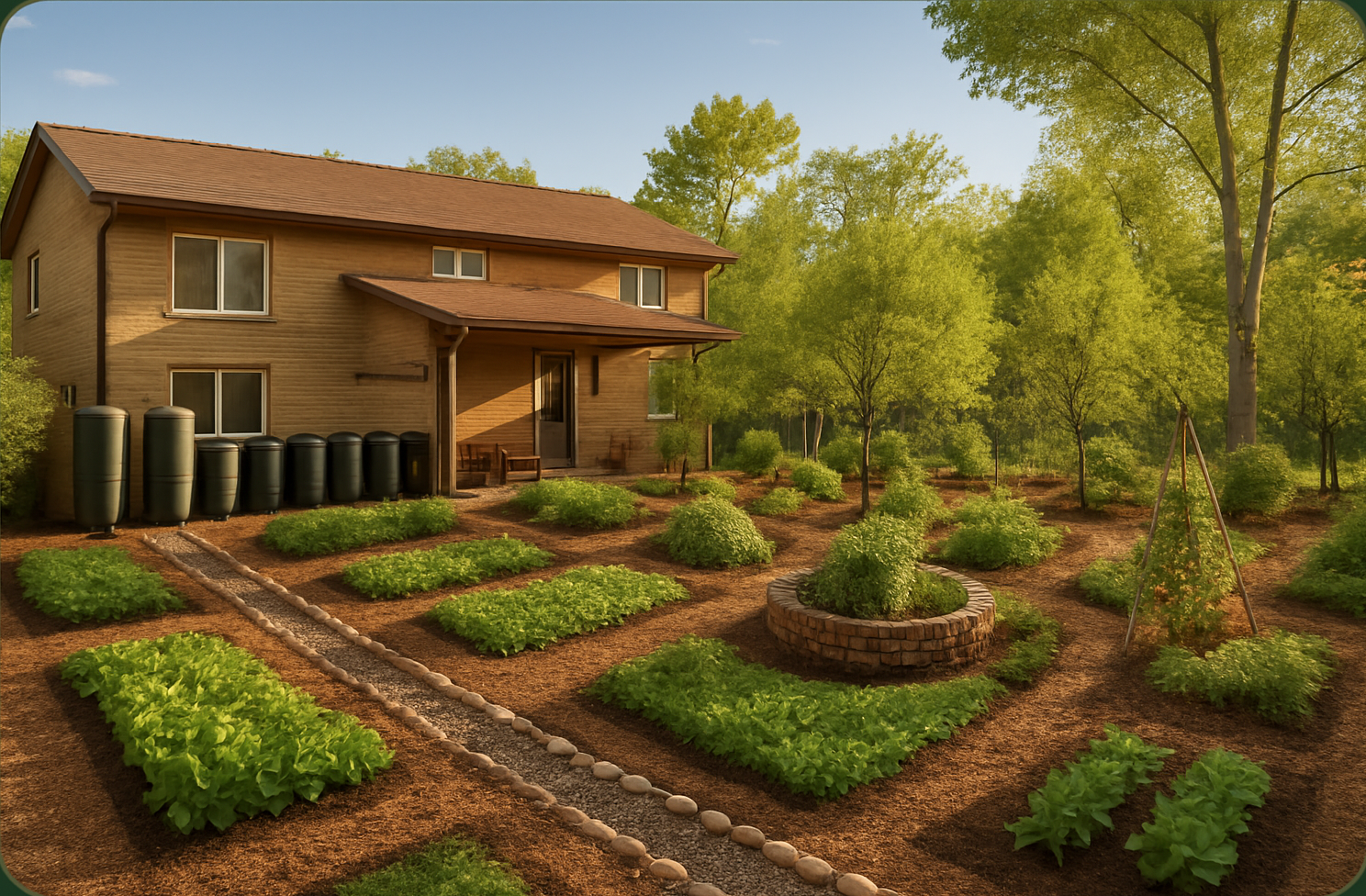
Companion planting is the practice of growing plants together that help one another — deterring pests, feeding the soil, drawing pollinators, and sharing space and light. Instead of planting in isolated single-crop blocks, you build small communities where each plant does a job for its neighbors. Done well, companion planting means fewer pests, healthier soil, better pollination, and bigger harvests with less spraying and less work. Here's how it actually works, the pairings worth using, what to keep apart — and how perennial "plant guilds" take the whole idea further.
How companion planting actually works
It helps to separate the real mechanisms from the folklore, because companion planting has plenty of both. The effects that are well supported and worth designing around fall into a few categories:
- Pest confusion through diversity. Many pests find their target crop by sight and smell. Interplant that crop with strongly scented herbs and other species, and the pests have a much harder time locating it. A diverse bed is simply a harder target than a uniform block.
- Attracting beneficial insects. Flowers like dill, fennel, yarrow, and alyssum draw in ladybugs, lacewings, parasitic wasps, and hoverflies — the predators that eat aphids and other pests for you. Flowering companions are a free, living pest-control crew.
- Feeding the soil. Legumes (beans, peas, clover) partner with bacteria to pull nitrogen out of the air and into the soil, feeding heavier-feeding neighbors. Deep-rooted plants mine nutrients from far below and bring them to the surface.
- Sharing space and light. Tall plants shelter shade-tolerant ones; sprawling plants cover bare soil as living mulch; climbers use the vertical structure of sturdy neighbors. Plants stacked by their shape use a bed far more fully than a single crop.
The honest takeaway: the magic isn't in any one perfect pair — it's in building a diverse, balanced planting where these mechanisms add up.
The Three Sisters — the classic example
The most famous companion planting is the Three Sisters: corn, beans, and squash, grown together by Indigenous farmers across the Americas for centuries. Each plant does a job for the others. The corn grows tall and gives the beans a living pole to climb. The beans fix nitrogen from the air and feed the corn and squash. The squash sprawls across the ground, its big leaves shading the soil, holding moisture, and suppressing weeds. Three crops from one patch, each making the others more productive — companion planting in a single, elegant picture.
Proven companion pairings to use
You don't need a chart of a hundred combinations. A handful of reliable pairings carry most of the value in a vegetable garden:
- Tomatoes + basil + marigold — basil and marigold help mask the tomatoes from pests, and marigolds support soil health.
- Carrots + onions — the strong scent of onions confuses the carrot fly, and carrots return the favor against onion pests.
- Beans + corn + squash — the Three Sisters, the original nitrogen-and-shelter team.
- Lettuce + tall crops — tomatoes, corn, or sunflowers shade tender lettuce through the heat of summer.
- Cabbage family + aromatic herbs — dill, thyme, and chamomile help protect brassicas from their many pests.
- Anything + flowers — a border of alyssum, calendula, or yarrow pulls in pollinators and predators for the whole bed.
What not to plant together
A few pairings genuinely work against you. Heavy feeders crowded together — like brassicas next to tomatoes — compete for the same nutrients and lose. Fennel releases compounds that inhibit many vegetables and is best grown off on its own. And planting members of the same family in a tight block concentrates the pests and diseases that specialize in them. But the most important "don't" isn't a specific pair — it's monoculture. A single crop planted alone across a whole bed is the most vulnerable planting there is. Diversity is the real rule.
From companion planting to plant guilds
Most companion planting pairs annual vegetables for one season. Permaculture takes the same logic and makes it permanent through plant guilds — and this is where the idea becomes truly powerful.
A guild is a small, lasting community built around a central plant, almost always a fruit or nut tree. Around that tree you place:
- Nitrogen-fixers (like clover, lupine, or sea buckthorn) that feed the tree;
- Dynamic accumulators (like comfrey or yarrow) whose deep roots mine nutrients and whose leaves become chop-and-drop mulch;
- Pollinator and pest-confusing plants (flowering herbs and natives) that bring in beneficial insects;
- Groundcovers (like strawberries or creeping thyme) that protect and shade the soil.
Together they do for the tree what companions do for tomatoes — feed it, protect it, and care for its soil — except the guild keeps doing it for decades with no replanting. Stack many guilds together and you have a food forest: a whole landscape of cooperating plants that largely runs itself.
Designing it into your landscape
Companion planting is a great way to start working with nature instead of against it in your vegetable beds this season. When you're ready to make those relationships permanent — designing perennial guilds and a full layered system around your home — that's exactly what our food forest design and edible landscaping services do: a custom plan where every plant is placed to support the others, done-for-you in Colorado or guided anywhere in the country.
Frequently asked questions
Does companion planting actually work?
Some of it is well supported by research and some is garden folklore. The mechanisms that hold up — pest confusion through diversity, attracting beneficial insects and pollinators with flowers, nitrogen-fixing legumes feeding nearby plants, and tall plants sheltering shorter ones — are real and worth designing around. The value is less about any single 'magic pair' and more about building a diverse, balanced planting.
What is the most famous companion planting example?
The Three Sisters — corn, beans, and squash — grown together by Indigenous farmers for centuries. The corn gives the beans a pole to climb, the beans fix nitrogen that feeds the corn and squash, and the squash sprawls across the ground as a living mulch that shades the soil and suppresses weeds. It's a perfect illustration of plants doing jobs for one another.
What should not be planted together?
A few pairings are best kept apart: heavy feeders like brassicas and tomatoes compete when crowded; fennel inhibits many vegetables and is best grown on its own; and members of the same family planted together can concentrate the pests and diseases that target them. The bigger principle is to avoid monoculture blocks — diversity, not any single 'enemy' pairing, is what matters most.
What is the difference between companion planting and a plant guild?
Companion planting usually pairs annual vegetables for a single season. A plant guild applies the same logic to a permanent, perennial community built around a central plant — most often a fruit tree — surrounded by nitrogen-fixers, nutrient-mining plants, pollinator flowers, and groundcovers. A guild is companion planting made permanent, and it's the backbone of food forest design.
Related guides
No-dig gardening
Build better soil and grow healthier plants with less work — by feeding the soil from the top instead of digging. How no-dig works, and how to start a bed step by step.
Nutrient density: why soil makes food more nutritious
What nutrient density really means, and why soil and freshness matter as much as the organic label.
Permaculture plant guilds
A plant guild is a small, self-supporting community of plants built around a central tree—here's how the roles fit together and how to design one.
Want this designed into your land?
We design regenerative food forests — living soil, water, and plants working together — done-for-you in Colorado and guided nationwide.
Book your Eden Yard Audit™